


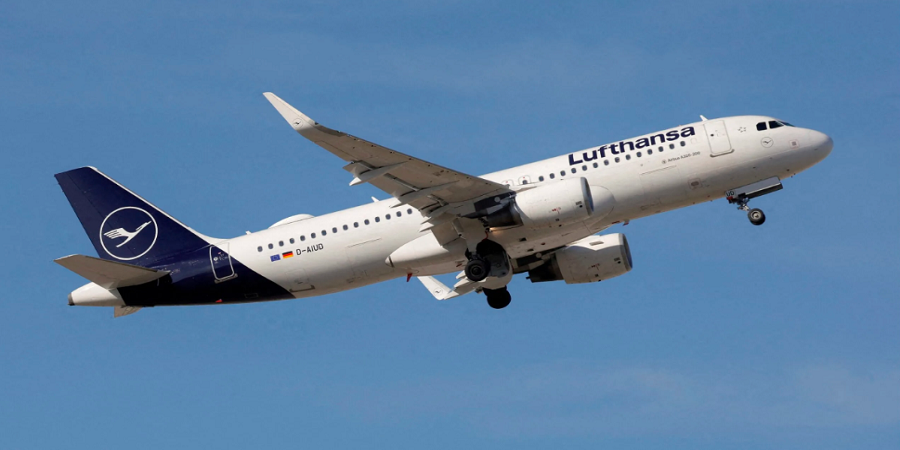
Later in the month of November 2025, Airbus declared a massive recall of approximately 6,000 planes in the A320 family, which is over half the world fleet.
A severe flight-control problem was the cause of the recalls. The A320 jet lost its altitude and command. This was on a JetBlue aircraft, which had to make an emergency landing and some of its passengers were injured. (Al Jazeera)
The actual cause of the disaster was shown to be a software bug within the flight-control system, namely the Elevator and Aileron Computer (ELAC) which decodes pilot commands to the plane in terms of the pitch control. In some circumstances, a powerful burst of solar radiation may fill vital flight-data, and the result may be a series of unwanted elevator motions (The Financial Express)
The safety risk led to an emergency airworthiness directive issued by the European Union Aviation Safety Agency (EASA) requiring the update prior to any of the affected aircrafts resuming normal flights. (Ex‑Yu Aviation)
What the Recall Fix Involves
Software rollback: In most planes software rollback which involves returning to a former, safe version of the flight-control software is the solution. It can update only a couple of hours per jet and lots of airlines started to do it right away. (The Guardian)
Hardware check/replacement (older jets): Some hardware modifications in a subgroup of them, particularly older A320s, might be necessary, which might be more time-consuming and cause a longer grounding period. (Gulf News)
Landing until compliance: Aircraft has to fulfill the necessary updates and meet the checks on safety before the next planned flight. Airlines were instructed to implement the changes and make them up-to-date for returning to service. (eplaneai)
According to Airbus, the recall was one of the largest in the history of the company, 55 years. (
World Effects of Airlines, Flights and Passengers.
Due to the popularity of the A320 family as one of the most popular narrow-body aircraft lines in the world, several airlines have dozens or even hundreds of A320s. The aftermath of the recall was enormous:
The largest airlines like American Airlines, IndiGo, easyJet, Lufthansa and others were forced to take dozens to hundreds of planes offline to update them.
Certain airlines suspended or re-scheduled flights, which led to a high level of delays and cancellations whilst the maintenance staff worked through the fleet. The recall was very disruptive especially during peak travel times such as holidays. A lot of airlines provided rebooking, refunds, or other flights in times of uncertainty.
The Importance of this Recall- Not a Simple Update.
This incident demonstrates that the safety of modern aircraft strongly relies on the integrity of the software along with mechanical stability. With the increasing digitization of aircraft systems and the growing exposure of aircraft to external effects, solar radiation processes can cause flight-control safety problems with little warning. (thinkinleverage.com)
The recall has demonstrated a systemic weakness: one vulnerability in a single software element may impact thousands of jets around the world, which is the impact of a highly interconnected aviation system.
In the case of airlines and the aviation sector, the recall is a massive maintenance, logistical and financial liability: organizing maintenance on hundreds of planes, flight cancellations, and regulatory compliance.
What Travelers Need to Know -Hints When You Fly an A320 in the Near Future.
In case you have booked a flight that could be operated by an A320 or any other aircraft which had a software update, you might consider the following tips that would work:
Ask the airline: Ask the airline before your flight whether the aircraft that will carry you has undergone the updated software. The majority of the airlines are calling on the passengers who were affected.
Make time and be flexible: Anticipate the delay or cancellation, have a leeway in your time schedule.
Have backup plans: There are airlines that can utilize alternative types of aircrafts or routes.
Keep up with it: Read airline messages and aviation-authority messages, particularly in case you are travelling in the next few weeks.
What This Implicates Aviation Wise – Other Lessons and Future Perspectives.
The recall can encourage aircraft manufacturers to re-consider their approach to the design of flight-control systems, in particular to make them resistant to external threats such as solar radiation.
Regulatory bodies like EASA may also impose more rigorous software-audit and airworthiness procedures and routine software review may become as common as mechanical ones.
MRO companies across the globe are likely to experience high demand- software patches and hardware upgrades to older fleets. (AInvest)
To passengers, this incident affirm that aviation is one of the safest methods of transportation, but safety today is a complex matter that covers both software and hardware.
Conclusion
The A320 family recall of 2025 holds an iconic position in the history of civil aviation, a sharp lesson to the fact that even the most reliable of aircrafts can be confronted with significant major systemic risks when software and environment come in contact.
To airlines, regulators, and manufacturers it is a wake-up call to re-consider safety measures in the digital era. To an air traveler, it is a surprising lesson in the concealed intricacy of the contemporary flight safety: a standard trip relies on a code as a lot as on airlines and engines.
The A320 recall is an event in itself whether traveling is on your agenda in the near future or you are just reading the news on aviation, its impact is felt globally in air travel. To learn more and seek the services of a law and right tax advisor regarding other US Tax Laws, pay us a visit: Apnaqanoon.