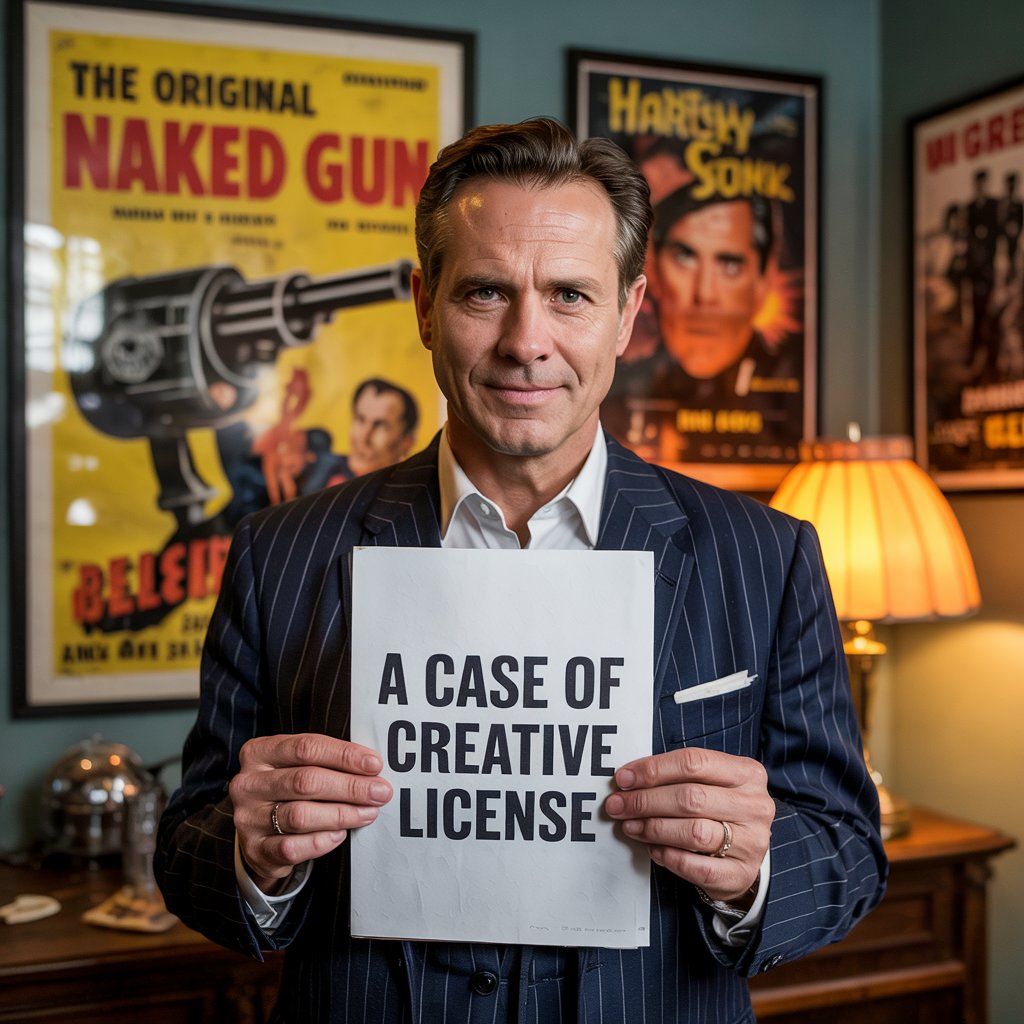
Hollywood’s obsession with reboots continues, but not everyone is thrilled about revisiting classic films. David Zucker, the original director of “Naked Gun,” has issued an X-rated assessment of the forthcoming reboot, which has received harsh criticism.
His response raises significant legal concerns regarding the film industry’s creative control, moral rights, and intellectual property rights.
The Legal Basis for Film Reboots Reboots and remakes fall under U.S. copyright law, specifically the Copyright Act of 1976 (17 U.S.C. § 106).
This law grants exclusive rights to the copyright holder—usually a film studio—allowing them to modify, adapt, and distribute derivative works without needing permission from the original creators.
In the case of The Naked Gun, the rights belong to Paramount Pictures, giving them full control over the reboot.
However, U.S. law treats “moral rights” differently because they safeguard an author’s reputation and creative vision. Unlike in countries such as France or Canada, where creators have stronger moral rights protections under the Berne
Convention for the Protection of Literary and Artistic Works
the U.S. has a more limited approach. Under the Visual Artists Rights Act (VARA) of 1990, moral rights apply primarily to visual art, not film. This means that Zucker can express his displeasure, but he cannot block or modify the reboot through legal means.
Public Criticism and Contrarian Considerations Many directors and writers sign contracts that include
non-disparagement clauses, restricting them from making negative public statements about a studio’s decisions. His strong public criticism could be legally challenged if Zucker was still under contract with Paramount. However, since he is not actively involved in the reboot, he likely faces no contractual limitations.
Impact on Public Perception & Film Legacy
Even though studios have the legal right to remake movies, fans and the people who made the original films frequently criticize them. For instance, the 2016 “Ghostbusters” reboot encountered similar opposition, demonstrating how audience reaction can affect a film’s success. Negative commentary from industry veterans like Zucker could have an impact on box office performance and audience response, despite Paramount’s legal right to proceed.
The conflict that exists in Hollywood between artistic integrity and legal rights is brought to light by the “Naked Gun” reboot controversy. Zucker’s criticism is representative of wider industry concerns regarding creative respect and legacy, despite the fact that Paramount owns the rights to the franchise. The legal and ethical debates surrounding reboots will continue to be a hot topic as they continue to dominate Hollywood. Visit **ApnaQanoon.com** for additional information on copyright law and litigation involving the entertainment industry.