


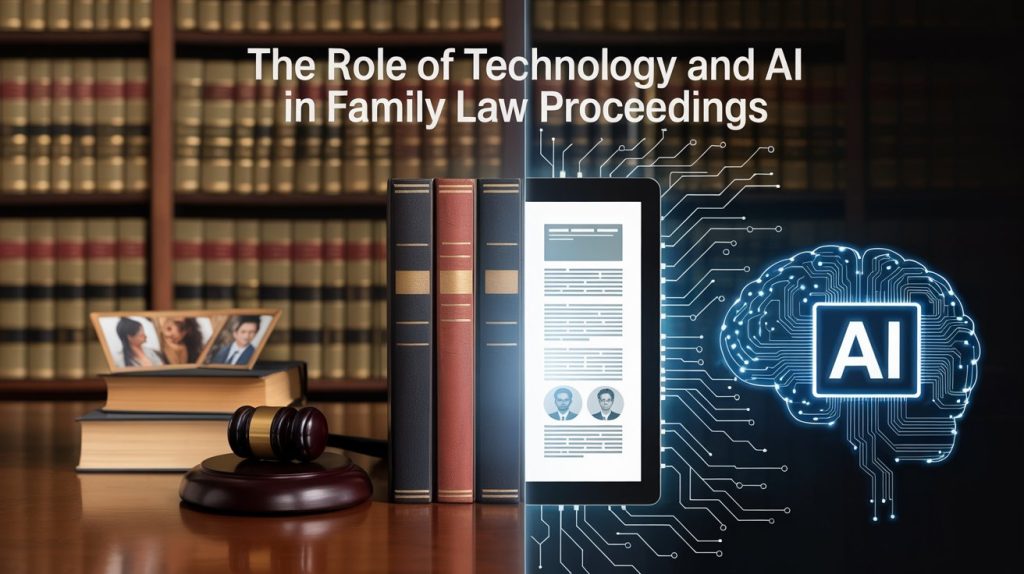
The legal world is evolving faster than ever, and family law is no exception. From virtual courtrooms to AI-powered legal tools, technology is reshaping how families navigate divorce, custody, and support cases in 2025.
💻 How Technology Is Changing Family Law
Just a few years ago, most family law cases required multiple in-person hearings, endless paperwork, and slow responses. Now, digital transformation has made the entire process faster, more transparent, and less stressful.
1. Virtual Hearings and Online Mediation
Family courts in the U.S. increasingly allow Zoom or virtual hearings for preliminary proceedings. This helps parents living in different states (or abroad) participate without travel.
Online mediation platforms also help couples resolve disputes privately and save legal fees.
2. AI Tools in Case Preparation
Law firms are using AI-driven document review tools to analyze financial records, text messages, and custody evidence. These tools can:
-
Detect inconsistencies in financial disclosures
-
Summarize long documents for lawyers and judges
-
Help predict case outcomes based on past judgments
This saves time and reduces costs for clients.
3. Digital Parenting Apps and Communication Tools
Co-parenting apps like OurFamilyWizard and TalkingParents help separated parents manage schedules, share expenses, and keep a clear communication record — something judges often recommend in custody disputes.
⚖️ Benefits for Clients and Courts
Technology brings clarity, convenience, and cost-efficiency to family law:
-
Reduced delays in case hearings
-
Easier access to records and evidence
-
More accurate and transparent outcomes
Even judges now rely on digital case files and AI-based recommendations when reviewing large amounts of evidence.
⚠️ The Challenges of Using AI in Family Law
Of course, it’s not all perfect. Concerns remain about:
-
Data privacy: Family cases contain sensitive details.
-
Bias in AI decisions: Algorithms must be monitored to prevent unfair outcomes.
-
Over-reliance on tech: Emotional and human aspects can’t be replaced by machines.
That’s why lawyers must balance technology with human empathy and judgment.
🚀 The Future of Family Law
By 2030, AI tools are expected to assist judges with sentencing recommendations, child custody evaluations, and even property division predictions.
For families, that means faster resolutions — but also a stronger need for transparency and ethical AI use.
🏁 Final Thoughts
The rise of technology and AI is not replacing lawyers — it’s empowering them to serve clients better. For anyone involved in family law today, embracing digital tools means faster justice, lower costs, and a smoother experience for everyone.