


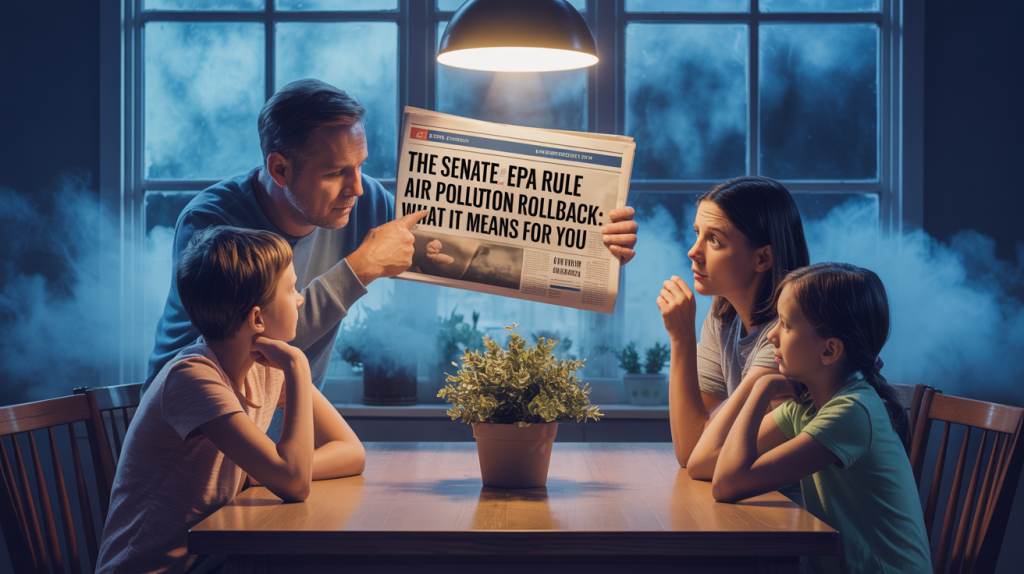
Why the Senate EPA Rule Air Pollution Rollback Matters
Imagine walking outside, taking a deep breath, and feeling confident that the air is clean and safe. For decades, the Clean Air Act has helped make this a reality by setting strict rules to limit harmful pollutants. But recently, the U.S. Senate made a big decision that’s got people talking: they voted to overturn an Environmental Protection Agency (EPA) rule designed to control seven of the most dangerous air pollutants. This move, known as the Senate EPA rule air pollution rollback, is a historic shift, marking the first time in 55 years that Congress has weakened protections under the Clean Air Act.
So, what does this mean for you, your family, and the environment? The rollback affects rules that required heavy industries—like chemical plants and oil refineries—to keep tight controls on toxic pollutants like mercury and benzene. These rules, often called the “Once In, Always In” policy, ensured that even if a facility reduced its emissions, it still had to follow strict standards. Now, with the Senate’s decision, some worry that air quality could worsen, especially in communities near industrial sites. This article will break down the rollback, its impacts, and what you can do to protect yourself. Whether you’re a concerned parent, a business owner, or just someone who cares about clean air, we’ll guide you through this complex topic in a way that’s easy to understand. Let’s dive in!
What Is the Senate EPA Rule Air Pollution Rollback?
The Senate EPA rule air pollution rollback refers to a Senate vote on May 1, 2025, to overturn an EPA rule finalized in September 2024 under the Biden administration. This rule was tied to the Clean Air Act and focused on limiting seven highly toxic air pollutants, including mercury, benzene, and dioxins. These pollutants are known to cause serious health issues, like cancer and neurological damage, even at low levels.
The “Once In, Always In” Policy
The rule was a modern version of a policy from the 1990s called “Once In, Always In.” Here’s how it worked: if a facility, like an oil refinery, was classified as a “major source” of hazardous air pollutants (emitting 10 tons or more of a single pollutant or 25 tons of combined pollutants per year), it had to follow strict Maximum Achievable Control Technology (MACT) standards. Even if the facility later reduced its emissions, it was still treated as a major source and had to keep those controls in place. This ensured long-term protection against toxic emissions.
In 2018, during the first Trump administration, this policy was weakened, creating a loophole that allowed facilities to reclassify as “area sources” (less regulated) if they reduced emissions below major source thresholds. The Biden administration’s 2024 rule closed this loophole by requiring major sources to maintain strict controls for seven key pollutants. But the Senate, led by Senator John Curtis of Utah, used the Congressional Review Act (CRA) to overturn this rule in a 52-46 party-line vote. The resolution now awaits House approval and President Trump’s signature.
Why Did the Senate Vote for the Rollback?
The decision to roll back the EPA rule wasn’t made in a vacuum. It came from a mix of economic, political, and industry-driven factors. Let’s break it down:
Industry Pushback
Big industries, like those in the fossil fuel and petrochemical sectors, have long argued that the “Once In, Always In” rule was too strict. Groups like the National Association of Manufacturers (NAM) called it “burdensome” and said it raised costs without delivering enough environmental benefits. They claimed the rule discouraged companies from investing in new, cleaner technologies because they’d still face tough regulations even after reducing emissions.
For example, Chris Phalen, NAM’s vice president for domestic policy, said the rule “disincentivized companies from curbing their pollution.” Senator Curtis echoed this, arguing that the rule told polluters, “Don’t worry about coming into compliance—you’ll never be reclassified.” They believe scrapping the rule will encourage innovation and reduce costs for businesses.
Political Climate
The rollback aligns with the broader deregulation agenda of the Trump administration, which took office in January 2025. EPA Administrator Lee Zeldin has pushed to reduce what he calls “unnecessary bureaucratic burdens” on industries. The Senate vote reflects this priority, with Republicans arguing that loosening regulations will boost the economy and create jobs.
Congressional Review Act
The CRA gave lawmakers a fast-track way to undo the EPA rule. This law allows Congress to overturn recent regulations with a simple majority vote within 60 days of their enactment. Since the EPA rule was finalized in September 2024, it fell within this window, making it an easy target for the Republican-led Senate.
What Are the Impacts of the Senate EPA Rule Air Pollution Rollback?
The rollback has sparked heated debate, with supporters celebrating it as a win for industry and critics warning of serious health and environmental risks. Let’s explore both sides.
Potential Benefits
Supporters of the rollback argue that it will:
-
Lower Costs for Businesses: By removing strict regulations, companies can save money on compliance, which could lead to lower prices for consumers.
-
Encourage Innovation: Without the “Once In, Always In” rule, businesses might invest in new technologies to reduce emissions, knowing they can reclassify as area sources and face fewer regulations.
-
Boost the Economy: Industries like oil and gas could expand operations, creating jobs and strengthening the energy sector.
Health and Environmental Risks
Critics, including environmental groups like Earthjustice and the Environmental Defense Fund (EDF), warn that the rollback could have dire consequences. Here’s why:
-
Increased Toxic Pollution: Without strict controls, facilities could increase emissions of hazardous pollutants like mercury, which is linked to neurological damage, and benzene, a known carcinogen. Earthjustice estimates that 1,800 facilities nationwide could loosen their pollution controls.
-
Health Impacts: Air pollution is linked to serious health issues, including asthma, heart disease, and cancer. A 2024 study in JAMA found that children exposed to air pollution in their first three years are more likely to develop asthma. Communities near industrial sites, often low-income or minority groups, face the highest risks.
-
Environmental Harm: Toxic pollutants can harm wildlife and ecosystems. For example, mercury can accumulate in water bodies, poisoning fish and affecting food chains.
-
Weakened Clean Air Act: The rollback marks the first time Congress has scaled back protections under the Clean Air Act, setting a precedent that could lead to further deregulation.
Real-Life Impact: A Story from Cancer Alley
Jo Banner, an environmental advocate in Louisiana’s Cancer Alley, knows the stakes firsthand. This stretch of land along the Mississippi River is home to numerous industrial facilities, and its majority-Black communities face high rates of cancer and respiratory issues. Jo can sometimes see pollution billowing from nearby refineries. “Any time the wind shifts, all of this pollution is coming over to our community,” she says. For Jo and her neighbors, the rollback feels like a step backward, potentially worsening the air they breathe.
How Does the Rollback Affect You?
The Senate EPA rule air pollution rollback isn’t just a policy change—it could impact your daily life. Here’s how:
-
Air Quality: If facilities increase emissions, air quality could worsen, especially in areas near industrial sites. This could mean more smog, haze, or even health alerts on bad air days.
-
Health Risks: If you or your family have asthma, allergies, or other respiratory conditions, polluted air could make symptoms worse. Even healthy people might notice irritation or fatigue on high-pollution days.
-
Economic Effects: While businesses might save money, communities could face higher healthcare costs due to pollution-related illnesses. The EPA estimated that stricter air quality standards could save billions in healthcare costs by 2032.
-
Environmental Justice: Low-income and minority communities, like those in Cancer Alley, are often hit hardest by pollution. The rollback could widen these disparities.
Step-by-Step Guide: How to Protect Yourself from Air Pollution
While the Senate EPA rule air pollution rollback may increase pollution risks, you can take steps to protect yourself and your family. Here’s a practical guide:
Step 1: Stay Informed About Air Quality
-
Check Air Quality Indexes: Use tools like AirNow to monitor daily air quality in your area. This site provides real-time data and health advisories.
-
Sign Up for Alerts: Many local governments offer air quality alerts via email or text. Check with your city or state’s environmental agency.
Step 2: Reduce Exposure on Bad Air Days
-
Stay Indoors: When air quality is poor, limit outdoor activities, especially for kids, seniors, or those with health conditions.
-
Use Air Filters: Invest in a high-quality HEPA air purifier for your home. These can remove harmful particles from the air.
-
Close Windows: Keep windows and doors closed during high-pollution periods to keep pollutants out.
Step 3: Support Your Health
-
Boost Immunity: Eat a balanced diet rich in antioxidants (like fruits and vegetables) to help your body fight pollution-related stress.
-
Stay Hydrated: Drinking water can help flush toxins from your system.
-
See a Doctor: If you notice symptoms like coughing, wheezing, or shortness of breath, consult a healthcare provider.
Step 4: Advocate for Clean Air
-
Join Local Groups: Connect with environmental organizations like NRDC or local advocacy groups to push for stronger air quality protections.
-
Contact Lawmakers: Write to your representatives to voice concerns about the rollback and support policies that protect clean air.
-
Vote Green: Support candidates and policies that prioritize environmental health.
Step 5: Invest in Clean Air Solutions
-
Buy an Air Purifier: A good air purifier can make a big difference in your home’s air quality. Look for models with HEPA filters and high CADR (Clean Air Delivery Rate) ratings. We recommend brands like Dyson or Blueair, which are trusted for their performance.
-
Support Sustainable Brands: Choose products from companies that prioritize eco-friendly practices, like those certified by Energy Star.
Why You Should Invest in an Air Purifier
With the Senate EPA rule air pollution rollback raising concerns about air quality, now’s the perfect time to take control of the air you breathe. An air purifier is a smart investment for several reasons:
-
Health Protection: Air purifiers remove harmful pollutants, reducing the risk of asthma, allergies, and other respiratory issues.
-
Peace of Mind: Knowing your home’s air is clean gives you confidence, especially if you live near industrial areas.
-
Long-Term Savings: By improving your health, air purifiers can reduce medical costs over time.
-
Easy to Use: Modern air purifiers are user-friendly, with features like smart sensors and quiet operation.
At Apna Qanoon, we believe in empowering you with knowledge and tools to live healthier. Investing in a quality air purifier is a proactive step to protect your family, no matter what changes come from policies like the Senate EPA rule air pollution rollback. Check out our guide on choosing the best air purifier for recommendations tailored to your needs.
The Bigger Picture: What’s Next for Air Quality?
The Senate EPA rule air pollution rollback is part of a larger wave of deregulation. In March 2025, the EPA announced plans to target over 30 environmental rules, including those on greenhouse gas emissions and particulate matter. These changes could reshape air quality standards for years to come.
Legal Challenges
Environmental groups are gearing up to fight the rollback in court. Experts like Michael Gerrard, an environmental law professor, call the deregulation efforts a “cluster bomb” that could face legal hurdles. The Clean Air Act requires the EPA to base standards on scientific evidence, and critics argue that weakening protections ignores decades of research linking air pollution to health risks.
Community Action
Communities like Cancer Alley are rallying to demand stronger protections. Grassroots movements, supported by organizations like EDF, are pushing for environmental justice and holding polluters accountable.
Global Context
The U.S. isn’t alone in facing air quality challenges. Countries like India and China struggle with severe pollution, but their experiences show that strong regulations can make a difference. The Clean Air Act has already cut U.S. pollution significantly since 1970, and maintaining those gains is crucial.
Anecdote: A Family’s Fight for Clean Air
Meet Sarah, a mom from a small town near a chemical plant in Texas. For years, her son, Ethan, struggled with asthma, triggered by the smoky air from nearby factories. Sarah invested in a HEPA air purifier, checked air quality reports daily, and joined a local advocacy group to demand cleaner air. “It’s not just about Ethan,” she says. “It’s about every kid who deserves to play outside without coughing.” Sarah’s story shows that while policies like the Senate EPA rule air pollution rollback can feel overwhelming, small actions can make a big difference.
FAQ: Your Questions About the Senate EPA Rule Air Pollution Rollback
What is the Senate EPA rule air pollution rollback?
The Senate EPA rule air pollution rollback refers to a May 2025 Senate vote to overturn an EPA rule that required industrial facilities to maintain strict controls on seven toxic air pollutants, like mercury and benzene. The rule was part of the Clean Air Act’s “Once In, Always In” policy, which ensured long-term pollution control.
Why was the EPA rule overturned?
The Senate, led by Republicans, argued that the rule was too strict and discouraged companies from reducing emissions. Industry groups like the National Association of Manufacturers claimed it raised costs without enough benefits. The rollback was passed using the Congressional Review Act for quick action.
How will the rollback affect my health?
The rollback could allow facilities to increase emissions of toxic pollutants, potentially worsening air quality. This may raise the risk of health issues like asthma, cancer, and heart disease, especially in communities near industrial sites. Check local air quality reports and consider using an air purifier to stay safe.
What can I do to protect myself from air pollution?
You can protect yourself by monitoring air quality with tools like AirNow, staying indoors on bad air days, using a HEPA air purifier, and advocating for stronger environmental policies. Supporting sustainable brands and voting for green policies also helps.
Are air purifiers worth it?
Yes! Air purifiers with HEPA filters can remove harmful pollutants from your home’s air, reducing health risks and improving comfort. They’re especially valuable in areas with poor air quality or during policy changes like the Senate EPA rule air pollution rollback. Check out our guide at Apna Qanoon for top picks.
Conclusion: Take Charge of Your Air Quality
The Senate EPA rule air pollution rollback is a big deal, and it’s natural to feel concerned about what it means for your health and the environment. By overturning a key EPA rule, the Senate has opened the door to potential increases in toxic air pollution, especially in communities already burdened by industrial emissions. But you’re not powerless. With tools like air purifiers, knowledge from sites like AirNow, and the power of advocacy, you can protect yourself and push for a cleaner future.
At Apna Qanoon, we’re committed to helping you navigate complex issues like this with clear, actionable advice. Investing in a quality air purifier is a smart, confident step to ensure the air in your home stays clean, no matter what’s happening in Washington. So, take a deep breath, explore our resources, and let’s work together for a healthier tomorrow.